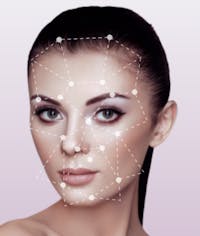

XERF and Morpheus8 both use radiofrequency energy to tighten skin, but they work at different depths and suit different goals. XERF is a non-invasive, FDA-cleared treatment that lifts and firms the skin's surface layers without affecting facial fat. Morpheus8 pairs microneedling with radiofrequency to reach deeper into the skin, making it a better fit for texture correction, deep wrinkles, and acne scarring. P. Alexander Ataii, M.D., founder of Laser Cliniqué in San Diego, was the first provider in San Diego County to offer XERF, and his practice has built its reputation on matching the right treatment to each patient's skin.
Here's how the two treatments compare, and how to know which one fits your goals.
What XERF Targets
XERF is a dual-frequency radiofrequency treatment that works at two depths in a single pass. A 6.78 MHz frequency targets the upper dermis, encouraging fibroblast stimulation, the process that prompts skin cells to build new collagen in the fibers responsible for fine lines and texture. A 2 MHz frequency reaches the SMAS, the structural layer beneath the skin that supports the jawline, cheeks, and neck. Because it works above the fat layer, XERF is designed to firm and lift without changing facial volume.
XERF requires no needles, numbing, or downtime, so most patients tolerate it well. Tightening may be visible right after treatment, with results building over the following weeks through ongoing collagen remodeling. Results can last a year or more with proper skin care, and mild to moderate laxity along the jawline and neck tends to respond best.
What Morpheus8 Targets
Morpheus8 combines microneedling with radiofrequency, reaching deeper into the skin than XERF. That makes it a better fit for concerns involving both surface texture and deeper structural laxity:
- Uneven texture and enlarged pores
- Deep or etched-in wrinkles
- Acne scarring and post-inflammatory changes
- Loose or crepey skin on the face, neck, or body
- Subdermal fat contouring in areas with mild fullness
The micro-injuries from the needles trigger a stronger wound-healing response, while the RF energy remodels the dermal matrix, the collagen and elastin network that gives skin its structure, below the surface. That combination lets Morpheus8 address scarring and mild fat contouring in the same session, something a non-invasive treatment like XERF isn't built to do. A typical plan involves three sessions spaced six to eight weeks apart, with early improvement visible within the first week and fuller results developing by around six weeks.
Which Treatment Fits Your Goals
Deciding between the two usually comes down to what's driving the concern: loose skin, or damaged skin.
XERF tends to suit patients who want a lifted, firmer look without changing facial volume, especially along the jawline, cheeks, or areas showing early platysmal banding, the vertical neck bands that appear as skin and muscle loosen. It's also a good starting point for anyone who wants to avoid needles.
Morpheus8 usually wins out for acne scarring, uneven texture, or deeper wrinkles, since it reaches further into the skin than a surface treatment can. Some patients combine both, using XERF to maintain lift between Morpheus8 sessions. For deeper lifting through focused ultrasound, Ultherapy is another option worth discussing. A consultation is the best way to find the right fit.
XERF and Morpheus8: Frequently Asked Questions
Can I combine XERF and Morpheus8?
Many patients combine the two, since XERF works at the dermal and SMAS level without needles, while Morpheus8 reaches deeper subdermal tissue. A provider can map out the right combination and timing during a consultation.
Does XERF cause facial fat loss?
No. XERF works above the fat layer, focusing its energy on the dermis and SMAS to stimulate collagen and lift. Patients worried about hollowing or volume loss can expect XERF to tighten skin while preserving the fat that supports a natural look.
How do I choose the best provider in San Diego?
Look for verifiable, device-specific experience with radiofrequency and RF microneedling treatments. Laser Cliniqué was the first practice in San Diego County to offer XERF and has treated more than 1,000 XERF patients in under a year, the kind of volume that reflects real specialization. Board certification, a strong before-and-after portfolio, and manufacturer-level recognition, such as Allergan Diamond status, are good signs too. Above all, look for a provider who evaluates your skin and goals before recommending a specific device.
Skin Tightening in San Diego with Dr. Ataii
XERF and Morpheus8 both stimulate collagen, but the right choice depends on how deep the concern sits. Dr. Ataii and the clinical team at Laser Cliniqué evaluate your skin, volume, and goals during a consultation to recommend the treatment, or combination, most likely to deliver the result you want. Schedule an expert skin analysis to find out which approach fits your skin.
This information is provided for educational purposes only and does not replace a consultation with a board-certified plastic surgeon. Outcomes, risks, and suitability vary from patient to patient.